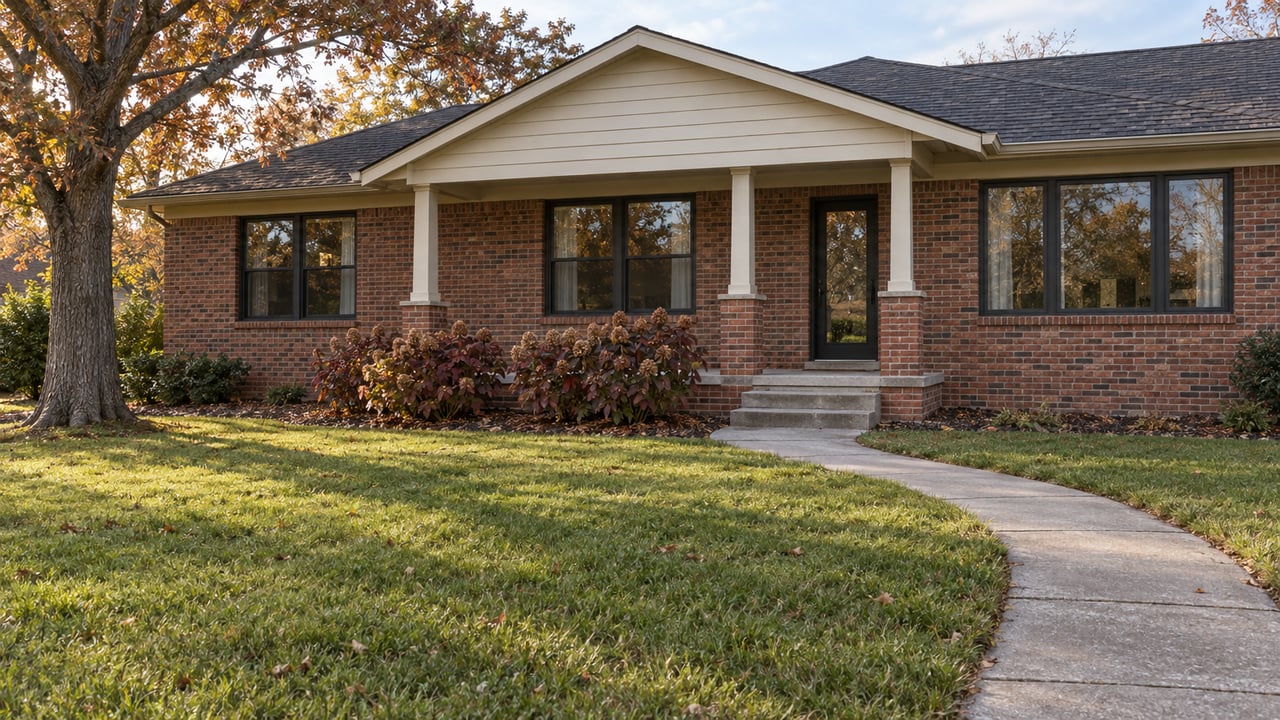
Thinking about selling your Pleasant View home but not sure when to list? Timing can shape how many buyers walk through your door, how quickly you go under contract, and how strong your offers are. If you want the smoothest sale and the best terms, you need a plan that fits Pleasant View’s seasonal patterns and local logistics. In this guide, you’ll learn the best months to sell, smart backup windows, a 90-day prep timeline, and Pleasant View specifics to help you avoid delays. Let’s dive in.
Best months to list in Pleasant View
Best overall window: late March to early June. Pleasant View typically follows the same pattern seen across the Greater Nashville region and most U.S. markets, where spring brings the highest buyer activity and quicker sales. Families aim to move before the new school year, curb appeal is at its peak, and buyer searches surge after winter. When mortgage rates are steadier or falling, this spring window can be especially active.
Why spring performs well
- More buyers look for homes after winter, which boosts showings and offers.
- Curb appeal and daylight improve, which helps photos and in-person impressions.
- Many families plan to close and move before July or August to align with school calendars.
- Tax timing and job changes often unlock budgets and relocation decisions in spring.
Seasonality can shift in strength from year to year depending on mortgage rates and inventory. Even so, the core spring pattern remains the most reliable target for Pleasant View sellers.
Backup selling windows
If spring does not fit your schedule, you still have good options. Each alternative window can work with the right pricing, presentation, and expectations.
Late summer (late July to August)
This can attract buyers who need to get settled quickly for the school year. Inventory may be thinner, which helps well-presented homes stand out. Expect buyers to be more selective on condition and pricing, so move-in readiness helps.
Early fall (September to mid-October)
Early fall can work well if you price sharply and show beautifully. Buyer traffic is typically slower than spring, but competition from other listings is often lower too. If your home is updated, staged, and priced to the market, you can still achieve a solid outcome.
Winter (November to February)
Winter is usually the slowest period. The upside is less competing inventory and more committed buyers who are moving due to timelines or relocation. If you list in winter, plan for longer days on market and lean into value, condition, and convenience.
Who buys when
Different seasons draw different buyer profiles. Tailor your marketing with features those buyers value.
Spring and early summer
- Families aiming to close before school starts
- First-time and move-up buyers who began searching after winter
- Relocation buyers responding to job changes
Highlight easy commuting options, flexible spaces, and outdoor living that shows well in spring.
Late summer and fall
- Buyers who shopped earlier and are now focused on specifics
- Shoppers who want a turnkey home before the holidays
Emphasize move-in readiness, recent updates, and realistic pricing.
Winter
- Highly motivated, often price-sensitive buyers
- Relocation clients with firm timelines
Focus on value, efficient showings, and strong photos that make your listing pop online.
Pleasant View logistics that affect timing
Pleasant View includes both suburban neighborhoods and semi-rural properties. A few local details can add time to your prep or transaction, so plan early.
- Septic and well: If your home uses septic or well systems, gather maintenance records and consider pre-listing inspections. These systems can become negotiation points and may require specialist scheduling.
- Surveys and boundaries: Older or acreage properties may not have recent surveys. Ordering one can take several weeks, especially if boundaries or encroachments are in question.
- Permits and outbuildings: Confirm permits for additions, sheds, or barns. Unresolved permit issues can slow a closing.
- HOA documents: If your property belongs to an HOA, collect fee details and documents early so you can include them in your disclosures.
- Appraisals and comps: In smaller submarkets, recent comparable sales may be limited. Work with a local pro to build a comp set that supports your list price.
Your 90-day pre-listing plan
Working backward from your target spring or summer list date helps you stay on schedule. Here is a practical week-by-week roadmap you can adapt.
Weeks 12 to 9
- Meet with a local agent for a pricing and strategy session. Ask for recent Pleasant View comps, days-on-market trends, and a custom list of high-ROI repairs.
- Gather property documents: deed, survey or schedule a new one, tax records, HOA docs, septic and well service records, and any permits.
- Budget and schedule major repairs that need lead time, such as roof, HVAC, structural items, or septic work. Get at least two quotes.
Weeks 8 to 6
- Complete major repairs and schedule any pre-listing inspections you plan to do, especially for septic, well, roof, or structural items.
- Start cosmetic updates that have broad appeal: neutral paint, lighting, hardware, minor kitchen and bath refreshes, and landscape cleanup.
- Begin decluttering and depersonalizing. Request quotes for professional staging, or plan a DIY approach with your agent’s guidance.
Weeks 5 to 3
- Deep clean inside and out. Power-wash siding and walkways, clean gutters, and refresh decks and porches.
- Finish landscaping: trim shrubs, add fresh mulch, and plant seasonal flowers if listing in spring.
- Finalize staging and schedule professional photography. Use aerial images if acreage, views, or outbuildings are key features.
- Complete required disclosures, including Tennessee property disclosures and any local questionnaires.
Weeks 2 to 0
- Handle last touch-ups, clean windows and carpets, and place final staging elements.
- Coordinate your MLS listing, marketing plan, and open-house schedule. Confirm photos and virtual assets are ready for launch day.
- Finalize list price and pricing strategy with your agent based on current comps and demand.
- Set up showing logistics, lockboxes, and clear instructions that allow flexible access.
- If you are moving soon after closing, arrange movers and short-term storage if needed.
First 2 weeks on market
- Track showings and feedback. If interest is slow, be ready to adjust price or consider incentives.
- If offers arrive, review price, closing timeline, financing type, inspection and appraisal contingencies, and proof of funds or pre-approval.
Pricing, offers, and appraisals
Price sensitivity is common, especially for semi-rural properties with septic or well systems. Pre-listing inspections and clear documentation can reduce renegotiations and speed up closing. In high-traffic spring windows, a well-priced Pleasant View home with strong curb appeal can draw multiple offers, so consider a planned offer review date to manage interest.
If mortgage rates rise or inventory grows, realistic pricing matters even more. Overpricing usually leads to more days on market and weaker final terms. For appraisals, your agent should prepare a comp packet with recent local sales and clear adjustments for acreage, improvements, and market conditions to support the agreed price.
Interest rates and your strategy
Mortgage rate volatility since 2022 has changed how intense each season feels. If rates are rising or uncertain, the spring peak can be shorter, which makes accurate pricing and standout presentation critical. If rates stabilize or fall, expect spring to feel more competitive, especially for well-prepped listings.
The key is flexibility. Confirm your pricing and timing a few weeks before you list, based on the latest comps and buyer activity in Pleasant View and surrounding Robertson County.
What to do now
If you are aiming for a spring listing, start your 90-day plan now so you can hit the market between late March and early June. If you need a different timeline, choose the best backup window and tighten your pricing and staging to match buyer expectations.
If you want a guided, high-touch sale with premium presentation, connect with a local team that combines neighborhood expertise with modern tools. From professional staging to Compass Concierge options for pre-sale improvements, you can launch with confidence and keep your timeline on track. Ready to map your best timing and strategy in Pleasant View? Book an appointment with The Bell Group.
FAQs
When is the best time to sell a home in Pleasant View, TN?
- Historically, late March to early June delivers the strongest buyer traffic and a higher chance of competitive offers.
What are good alternative listing windows if I miss spring in Pleasant View?
- Late July to August and early fall can work well with sharp pricing and strong presentation, while winter is slower but can attract motivated buyers.
How do Pleasant View septic or well systems affect my sale timeline?
- Plan for early inspections and have maintenance records ready, since these systems often require specialist scheduling and can become negotiation points.
Do school calendars really impact Pleasant View home sales?
- Yes, many families aim to close in late spring or early summer to be settled before the new school year, which boosts demand during that period.
How long will my Pleasant View home stay on the market?
- Days on market vary by price point and property type, with spring typically faster; acreage and semi-rural homes often take longer than small-lot homes.
Should I stage my Pleasant View home before listing?
- Staging and curb appeal improvements generally improve buyer perception and can reduce time on market, especially when listing outside the spring peak.