Picking a lot for your new build is a big decision. The spot you choose will shape your sunlight, privacy, commute, utility costs, and future resale. It can also add or reduce expenses you might not see on the builder flyer. In this guide, you’ll learn how to compare Oak Grove lots side by side, what to ask for in writing, and how to protect your budget before you sign. Let’s dive in.
Start with your priorities
Before you tour lots, list what matters most to you. Rank these in order so your choice stays clear when options feel similar.
- Commute time and access to Fort Campbell
- Sunlight for the backyard and outdoor living
- Flat yard vs. views from a gentle slope
- Privacy, traffic, and street location
- Total cost, including site work and lot premiums
- Long-term resale appeal
Orientation and sunlight
Orientation affects daily comfort and energy use. A rear yard with southern or southwestern exposure often brings steady light and better solar potential. East-facing fronts enjoy morning sun, while west-facing exposures can mean hotter afternoons in summer.
Look at shade from nearby homes and trees. Mature trees can add curb appeal and summer cooling, but they can also limit solar options and add maintenance. Wind patterns and shade from neighboring roofs can create cooler, damper pockets. That might affect outdoor comfort and, in some cases, increase mold risk if areas stay moist.
Tips when you walk the site:
- Visit in the morning and evening to see where light hits your patio and main living spaces.
- Note tree cover and how future homes might cast shade.
- If you plan solar, favor a well-lit roof and rear yard.
Slope and drainage
Topography sets the tone for cost, usability, and stability. Flat lots are usually less expensive to develop and easier for accessibility. Gentle slopes can improve drainage and views. Steeper slopes may require retaining walls, stepped foundations, and more erosion control, which increases costs.
Watch for drainage patterns. If water pools or flows toward the house site, expect added grading or drainage work. Ask who maintains stormwater features like swales or detention areas and where water should go during heavy rain.
What to request and check:
- Ask for a topographic or grading plan for the lot.
- Review any available soil or geotechnical report. If soils are unknown and the lot has slope or signs of fill, plan for a site-specific report.
- Walk the lot after rain if possible. Look for standing water, wet patches, or erosion.
Setbacks and easements
Setbacks define how far your home must sit from front, side, and rear lot lines. Easements can limit where you can place structures, fences, and some landscaping. Utility easements often run along side and rear lines. Drainage easements and buffers can be wider and may carry maintenance rules. Conservation or buffer areas can restrict grading and tree removal.
Why it matters:
- Wide setbacks or large easements can push the house forward, shrink your backyard, or shift the garage.
- Builder covenants and local rules may also limit lot coverage, impervious surface, or height.
What to get in writing:
- The recorded plat with easements and setbacks marked.
- The site plan showing the proposed footprint inside the buildable area.
Utilities and access
Confirm what is available and who pays for connections. This includes water, sewer or septic, electric, gas if offered, cable and internet, and street lighting. Clarify the timing of utility extensions and any off-site improvements, such as sidewalks or road work, that could affect move-in timing.
Consider the look and upkeep of overhead vs. underground lines. Lots farther from main utility runs may involve higher connection costs or delays.
Key questions to ask:
- Are laterals already stubbed to the lot, or will you pay for on-lot connections?
- When will service be active for power, water, and internet?
- Are there planned street trees or sidewalks that change curb appeal later?
Fort Campbell proximity
Proximity to Fort Campbell brings benefits and trade-offs. Many buyers value the short commute and strong rental demand. Aircraft noise and training flights can be a factor. Review any available noise or compatibility information and consider visiting the lot during training hours.
What to consider:
- If the lot lies within higher noise contours, you may want upgraded insulation or window packages.
- Base traffic patterns can affect drive times at peak hours.
- Close proximity can boost resale for military buyers and may be less appealing to some civilians. Know your long-term plans.
Neighborhood context and privacy
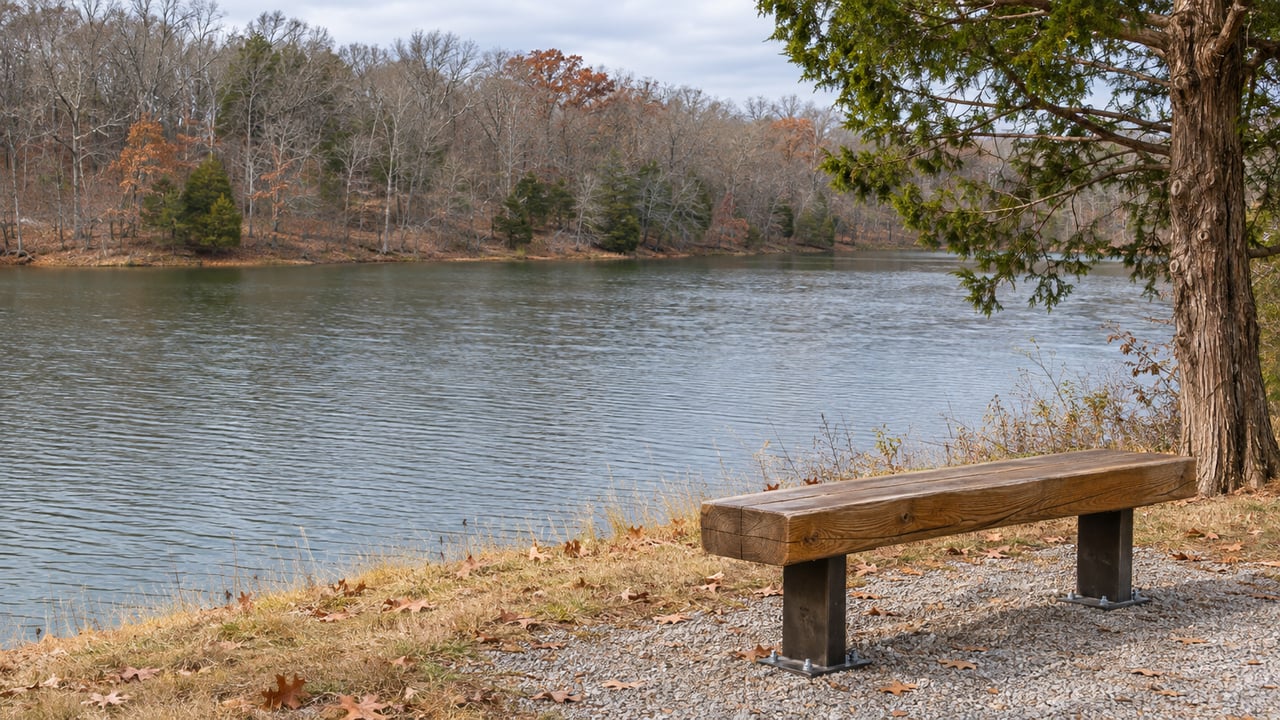
Where the lot sits inside the neighborhood changes daily life. Cul-de-sac and interior lots often feel quieter. Corner lots add frontage and light but can reduce privacy and sometimes require wider setbacks. Backing to a pond or green space can offer views and a pleasant outlook. It can also bring mosquitoes or maintenance rules, depending on who manages the area.
Always ask for HOA or community guidelines. These documents outline maintenance responsibilities, approved fencing, and any rules affecting how you can use your yard.
Compare lots step by step
Use a simple side-by-side comparison so you do not miss key details. Ask for these documents for each lot and evaluate them together.
Documents to request:
- Recorded plat and legal description with all easements and setbacks
- Preliminary site plan and grading or drainage plan
- Any topographic or boundary survey
- Soil or geotechnical report if available
- Utility maps showing lines and laterals
- HOA covenants and architectural rules
- Any lot premiums and required upgrades
- Noise and compatibility details related to Fort Campbell if available
- FEMA flood information for the property
- Recent builder disclosures for lot-specific conditions
On-site inspection checklist:
- Visit morning and evening to test sun, wind, and noise
- Look for standing water, erosion, or wet depressions
- Note privacy, sightlines, and distance to arterial roads
- Identify utility access points and possible transformer locations
Scoring factors:
- Buildability and usable yard
- Sun orientation and solar potential
- Privacy and views
- Noise exposure from roads or base activity
- Total cost, including premiums and site work
- Resale appeal based on typical Oak Grove buyer preferences
Costs, premiums, and trade-offs
Lot premiums often reflect street position, frontage, or views. Corner and cul-de-sac lots may carry a premium. Build costs can rise on slopes due to extra grading, retaining walls, or drainage work. Lots farther from main utility runs may add connection fees.
Negotiate based on what the lot requires. If your chosen lot needs added grading, ask for a credit. If you are near flight paths, ask for builder-paid sound upgrades. If easements or unusual setbacks reduce the usable yard, request a price adjustment.
Protect your contract
Before you sign, put these protections in place so surprises do not hit your budget later.
- Confirm the local jurisdiction and obtain the official zoning and subdivision rules for the lot.
- Get the recorded plat and title commitment. Review all easements and restrictions.
- Order or require a recent boundary or topographic survey. Confirm the buildable envelope.
- If there is slope, fill, or drainage concern, request a geotechnical report.
- Check FEMA flood maps for the parcel and get an insurance estimate if near a flood zone.
- Review available noise and compatibility details related to Fort Campbell. Visit the lot during training hours.
- Ask for a written list of lot-specific conditions, premiums, and any required upgrades.
- Confirm who pays for utility laterals and when service will be active.
- Include contingencies for survey, geotechnical review, and utility availability.
- Negotiate for grading credits, sound packages, or other builder concessions tied to the lot.
When to bring in pros
- Boundary and topographic survey: Order before you finalize the lot or when negotiating placement and options.
- Geotechnical or soil report: Use this on sloped lots, where soils seem wet, or when any prior fill is suspected.
- Environmental screening: If the area is near former industrial sites, fuel stations, or similar uses, consider a Phase I environmental assessment.
Real-world trade-offs in Oak Grove
- Flat interior lot near community features: Lower build cost and easy yard use. Expect more passerby traffic and activity nearby.
- Gentle slope with an elevated view: Higher site cost, but possible privacy and a more scenic outlook. Good fit if you value views.
- Backing to a pond or common green: Pleasant open feel and a strong neighborhood vibe. Consider possible mosquitoes and any maintenance or fencing limits.
Make your decision with confidence
When you compare lots with the same set of documents and a clear checklist, you can see the real trade-offs. The right fit balances daily comfort, cost, and long-term resale. If you want a fast commute to Fort Campbell, look closely at traffic patterns and any noise considerations. If outdoor living is your focus, prioritize orientation, yard usability, and drainage.
If you would like guidance tailored to your plans, reach out to the local team that supports many military relocations and new construction buyers in the area. Book an appointment with The Bell Group for a clear, step-by-step lot selection process that protects your budget and your future resale.
FAQs
What is a setback and why does it matter?
- Setbacks are required distances from property lines that limit where your home can sit, which affects yard depth, garage placement, and outdoor living space.
How do I check flood risk for a new lot?
- Review FEMA flood maps for the parcel and ask for any local floodplain information, then price flood insurance if the lot lies in or near a mapped zone.
How much can easements reduce my backyard?
- Utility easements commonly range from about 5 to 20 feet and drainage easements can be wider, so compare the plat to your home footprint to confirm your usable area.
What about aircraft noise near Fort Campbell?
- Noise depends on distance and flight paths, so review available compatibility information and visit during training hours, then consider sound-mitigation upgrades if needed.
Should I pay a premium for a corner or cul-de-sac lot?
- It depends on your priorities, since these lots can add light and frontage but may reduce privacy or alter setbacks, which affects yard space and resale.
Can the builder change the grading after I sign?
- Changes are governed by the contract and approvals, so reference the recorded plat or approved site plan and include a review period for any post-sign changes.