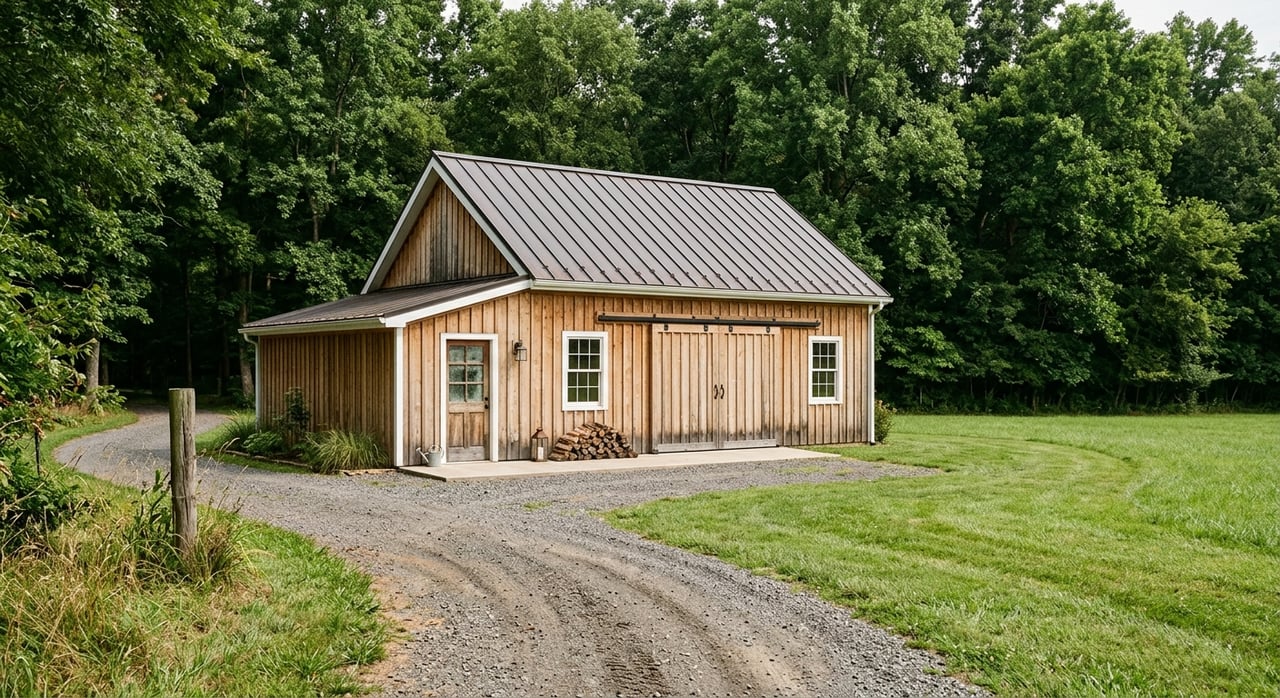
Selling acreage or a farmette in Cunningham is different from selling a standard house in town. Buyers are not just looking at the home. They are studying the land, access, water, outbuildings, and whether the property feels usable from day one. If you want fewer surprises and a stronger first impression, a little preparation can go a long way. Let’s dive in.
Why rural properties need a different plan
In Cunningham, your property sits within Montgomery County’s rural land-use and permitting framework. That matters because buyers often want to know not just what is there, but how it fits the county’s agricultural setting and what records support it.
Montgomery County’s AG Agricultural District is intended to support agricultural production and preserve rural agrarian quality. The county also notes that AG-zoned land may include environmentally sensitive areas such as floodplains and steep slopes. That is why strong marketing for acreage starts with a clear picture of the land’s strengths and limits.
Focus on usable land
One of the biggest mistakes sellers make is leading with total acreage alone. Rural buyers usually care more about how much of the property is actually usable and how that land is laid out.
A simple property map can help you see and explain the parts that matter most. Extension guidance recommends identifying fields, barnyard areas, driveways, fences, wells, septic systems, underground utilities, streams, wetlands, and known survey markers.
If your property includes woods or wooded edges, boundary clarity becomes even more important. Buyers often ask where the lines are, whether there are easements, and whether any encroachments affect the area they can use.
Consider a survey and soil review
If property lines are unclear, a boundary survey can be a smart step before listing. It can help define what you are selling and reduce confusion around access, timber, or neighboring uses.
Soils matter too, especially when buyers are thinking about pasture, gardens, outbuildings, or future building areas. USDA NRCS’s Web Soil Survey is the official current soil information source, and it can help show where the land may be more or less practical for certain uses.
Clean up what buyers notice first
On small acreage, outbuildings often carry as much weight as the house. A cluttered barn or shed can make the whole property feel harder to maintain, even if the structure itself is useful.
Barn safety guidance recommends removing unnecessary trash and debris inside and outside buildings. Clutter can attract rodents, increase fire risk, and create injury hazards, which makes cleanup a practical step, not just a cosmetic one.
Your goal is not to make a farmette look overly polished. Your goal is to make the function obvious so buyers can quickly understand how the space works.
Easy presentation wins
Before photos or showings, focus on the areas buyers will scan first:
- Sweep barn and shop floors
- Create clear walk paths
- Organize tools and supplies into visible zones
- Clean tack rooms, feed areas, and storage corners
- Remove scrap piles and unused materials
- Straighten fence lines where possible
- Repair gates, latches, and missing fence boards
- Mow and trim around the house, drive, and key outbuildings
- Pressure-wash surfaces that look dirty in photos
These small fixes help the property read as managed, functional, and ready for the next owner.
Gather records before you list
For acreage and farmettes, paperwork builds confidence. The more answers you can provide up front, the easier it is for buyers to move from curiosity to a serious offer.
If the home is on a private well, gather any available well records, service history, and water testing documentation. Tennessee says private water supplies are usually groundwater wells or springs, and annual bacteria testing is strongly recommended.
If the property is served by public water, note that clearly as well. In this area, some rural properties may be served by Cunningham Utility District, while others rely on private systems, and buyers usually want that distinction explained early.
Septic records matter
Septic systems are a major buyer question on rural property. Tennessee requires a septic system construction permit for installation or repair of a subsurface sewage disposal system, and homeowner guidance recommends inspections every two years if the system has a pump and every four years if it does not.
If you have pumping receipts, inspection reports, layout information, or older permit records, gather them before your home goes live. That kind of documentation can make inspections and lender questions easier to navigate.
Confirm permits for improvements
Montgomery County Building & Codes treats barns, sheds, utility buildings, and similar structures as permit-triggering improvements. If you added or converted a structure, it is wise to confirm what paperwork you have before listing.
The county also notes that permit applicants on septic may need a septic file copy. In some situations, a minor plat is required before a permit can be issued when a property is under five acres and not in a platted subdivision.
Check access and driveway details
Driveway access can be more important on acreage than many sellers expect. Montgomery County directs owners to the county highway department for driveway permits on county roads, while state-highway connections require state involvement.
If your entrance was added or changed, gather any records you have. Buyers want to know access is straightforward and documented.
Review disclosures early
Tennessee’s Residential Property Disclosure Act requires most sellers of residential real estate to disclose known defects, environmental hazards, flood or drainage issues, encroachments, and unpermitted work. On rural property, those issues can show up in more places than sellers first realize.
Think through detached garages, barn conversions, additions, septic concerns, wet spots, drainage patterns, and any recurring land issue you already know about. Addressing or documenting these items early can help prevent last-minute problems during contract negotiations.
Understand Greenbelt before marketing
If your Cunningham property is larger, confirm whether Greenbelt applies and how it is classified. Tennessee’s agricultural classification rules generally require at least 15 acres for agricultural land, with some history-based exceptions.
It is also important to know that a rollback tax may be charged when Greenbelt property no longer qualifies. Before making assumptions in your pricing or marketing, confirm the current classification with the assessor.
Choose improvements with the best return
When you are getting ready to sell, not every project deserves your time or money. On acreage and farmette listings, the most effective updates are often the ones buyers notice quickly and the ones that reduce uncertainty.
A helpful way to think about pre-sale work is to split it into two buckets: image fixes and infrastructure fixes.
Image fixes
These are the updates that improve photos, showings, and first impressions:
- Interior paint
- Flooring updates
- Light staging
- Porch cleanup
- Barn and shed organization
- Gate and fence touch-ups
- Driveway edge cleanup
Infrastructure fixes
These are the items that help buyers feel confident moving forward:
- Well records and water testing
- Septic permits, pumping, and inspection records
- Boundary clarity
- Outbuilding permit records
- Access and driveway documentation
- Clear notes about low ground, woods, or drainage areas
Because The Bell Group works under Compass, eligible sellers may be able to use Compass Concierge for approved pre-sale improvements such as staging, flooring, painting, and more, with no payment due until closing. For rural properties, this type of support is often best used on visible, low-disruption improvements rather than major farm rebuilds.
Anticipate buyer questions now
Acreage buyers tend to ask practical questions quickly. If you prepare your answers before listing, you can create a smoother showing experience and reduce back-and-forth later.
Here are some of the most common questions to be ready for:
- How much of the acreage is actually usable?
- Where are the property lines and access points?
- Are there easements or encroachments?
- Is the water from a utility or a private well?
- When was the septic system last pumped or inspected?
- Are the barns, sheds, or other outbuildings permitted?
- Does Greenbelt apply?
If you can answer those questions with records instead of guesses, your listing will usually feel stronger and more credible.
Local preparation can make all the difference
Preparing acreage and farmettes to sell in Cunningham is really about clarity. Buyers want to understand what the land offers, how the systems work, and whether the property has been cared for over time.
When you combine clean presentation, organized records, and a smart plan for pre-sale improvements, you put your property in a much better position to attract serious interest. And when the details are handled early, the path from showing to closing often gets easier.
If you are thinking about selling acreage, a farmette, or a rural home in Cunningham, Cristen Bell LLC can help you build a preparation plan, highlight the property’s best features, and bring it to market with confidence.
FAQs
What should you do first before listing acreage in Cunningham?
- Start by identifying what is truly usable on the property, then gather key records for boundaries, water, septic, outbuildings, and access.
What records help sell a farmette in Montgomery County?
- The most helpful records usually include survey information, well records, water testing, septic permits or service history, and permit documents for barns, sheds, or other structures.
What do buyers ask about rural property in Cunningham?
- Buyers commonly ask about usable acreage, property lines, easements, water source, septic condition, outbuilding permits, and Greenbelt status.
What improvements are most worth doing before selling a farmette?
- High-visibility updates like paint, flooring, staging, barn cleanup, fence repairs, and driveway edge cleanup are often the most effective first steps.
What should you disclose when selling a rural home in Tennessee?
- Most sellers must disclose known defects, environmental hazards, flood or drainage issues, encroachments, and unpermitted work affecting the residential property.
What matters most when marketing acreage in Cunningham?
- Clear presentation of usable land, access, water, infrastructure, and documentation usually matters more than simply advertising the total number of acres.