Thinking about buying a rental in Dover but unsure how to estimate your returns? You are not alone. Smaller rural markets can offer solid yields, yet they require careful homework on rents, vacancy, and expenses. In this guide, you will learn a simple, local-first way to model rental ROI in Dover and Stewart County, plus a clear checklist to move from curiosity to action. Let’s dive in.
Why Dover merits a look
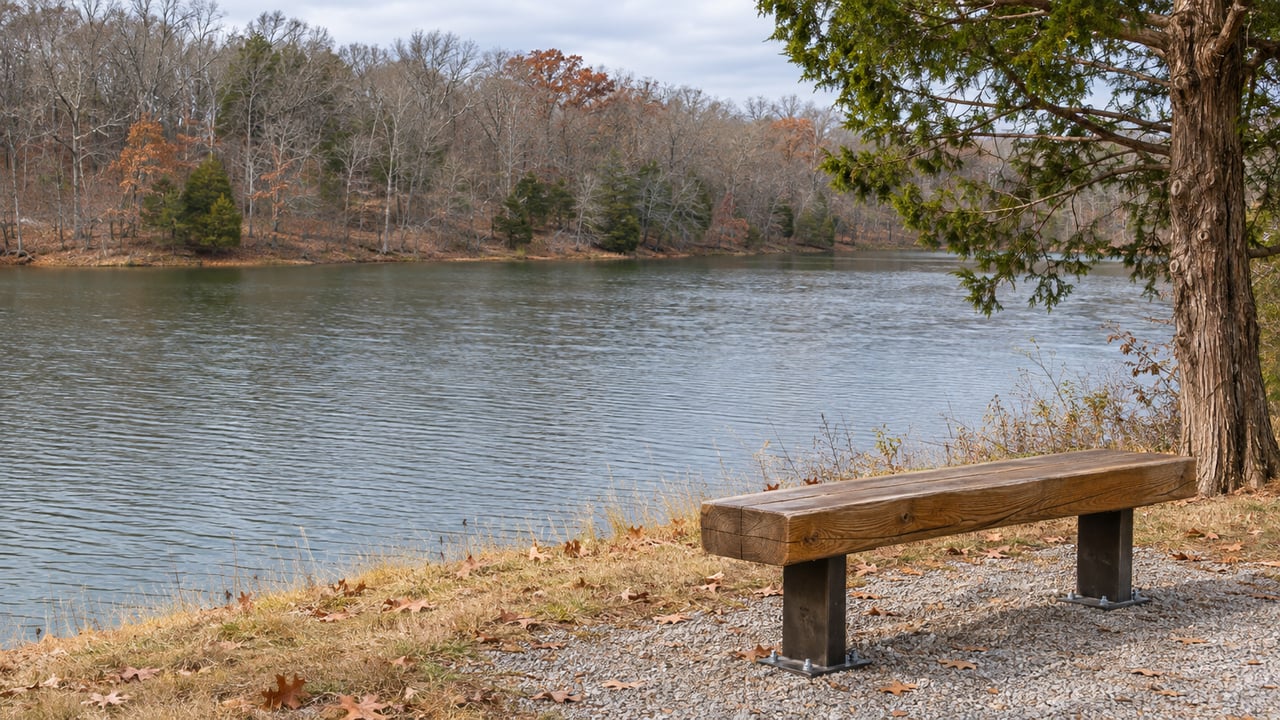
Dover is the county seat for Stewart County and serves a compact, local rental market. You will find demand linked to county services, regional employers, and outdoor recreation. Proximity to Land Between the Lakes and Fort Donelson National Battlefield can add seasonal interest, while commuting patterns to nearby job centers shape long-term rental demand.
Before you buy, verify local data. Check population and renter share through the U.S. Census Bureau, employment trends through labor statistics, and property tax details through Stewart County’s assessor and trustee. Also review county planning and permitting updates to spot any new employers or housing starts that could affect supply and demand.
Estimate rent and vacancy with local comps
Getting rent right is the single most important step in your model. Rents can vary widely by condition, bedroom count, and proximity to services.
- Start with active listings across Dover and nearby Stewart County towns. Focus on properties that match bedroom count, square footage, and condition.
- Look at historical listing data and quick-check tools to cross-reference asking rents. Favor evidence of leases signed over simple asking prices.
- Ask local property managers or brokers for a rent opinion and recent leases for similar units.
- Build 8 to 12 strong comps by unit type, then trim outliers.
For long-term rentals in small-town markets like Dover, an assumed vacancy of 5 to 10 percent is a common modeling range. If you plan a short-term or vacation rental, expect higher effective vacancy and higher operating costs. Always confirm seasonality and any local regulations before you model a short-term strategy.
Property types to consider
- Single-family homes with 1 to 4 bedrooms. Often the most common option for small portfolios.
- Duplexes or small multifamily. Supply may be limited, so validate rent and turnover with care.
- Manufactured homes on owned lots. Common in rural Tennessee; verify lending and insurance terms.
- Short-term rentals. Evaluate zoning, occupancy expectations, and operating costs before you proceed.
Build a complete pro forma
A complete pro forma helps you compare deals apples to apples. Include every recurring expense, not just the big ones.
- Property taxes. Pull the current levy from Stewart County sources. Taxes can be a meaningful line item.
- Insurance. Request rental dwelling quotes. Older homes or properties near water may have higher premiums.
- Property management. Budget 8 to 12 percent of collected rent for full-service management. Include any lease-up fee.
- Utilities. Clarify who pays for water, sewer, trash, electric, and gas. Owners sometimes cover lawn care or water for single-family homes.
- Maintenance and repairs. Plan 5 to 10 percent of effective gross income, or use an annual dollar reserve, such as 800 to 1,500 dollars per single-family home, adjusted for age and condition.
- Capital expenditures. Set aside 5 to 10 percent of rent or a fixed annual reserve for big-ticket items like roofs and HVAC.
- HOA dues. Include if applicable.
- Leasing and advertising. Add a small allowance or the manager’s published fee.
- Legal and accounting. Budget for eviction costs, lease renewals, and tax preparation.
Financing and debt service
- Down payment and rate. Many lenders require 20 to 25 percent down for investor loans, with rates above primary residence terms.
- Loan term. Model 15 to 30 years and test how payments shift with rate changes.
- DSCR lenders. If you plan multiple properties, consider investor-focused or portfolio lenders.
Taxes and accounting
- Income taxes. Rental income is taxable, but you can deduct many expenses and take depreciation over 27.5 years for residential property.
- Local registrations. Confirm any county or municipal rental requirements.
Measure your returns the same way every time
Use a consistent set of metrics so you can compare Dover properties and track performance over time.
- Gross Rent Multiplier. Purchase price divided by annual gross rent. A quick filter for screening.
- Net Operating Income. Effective gross income minus operating expenses, before debt service and taxes.
- Cap rate. NOI divided by purchase price. In small-town markets, cap rates often trend higher than large metros, but they vary. Many investors target 6 to 12 percent depending on risk.
- Cash-on-cash return. Annual pre-tax cash flow after debt service divided by total cash invested.
- DSCR. NOI divided by annual debt service. Lenders often prefer 1.0 to 1.25 or higher.
- Break-even ratio. Operating expenses plus debt service divided by gross income. Lower is safer.
Example pro forma for a Dover single-family
The numbers below are hypothetical and for illustration only. Replace all figures with verified local quotes and comps.
Inputs (hypothetical)
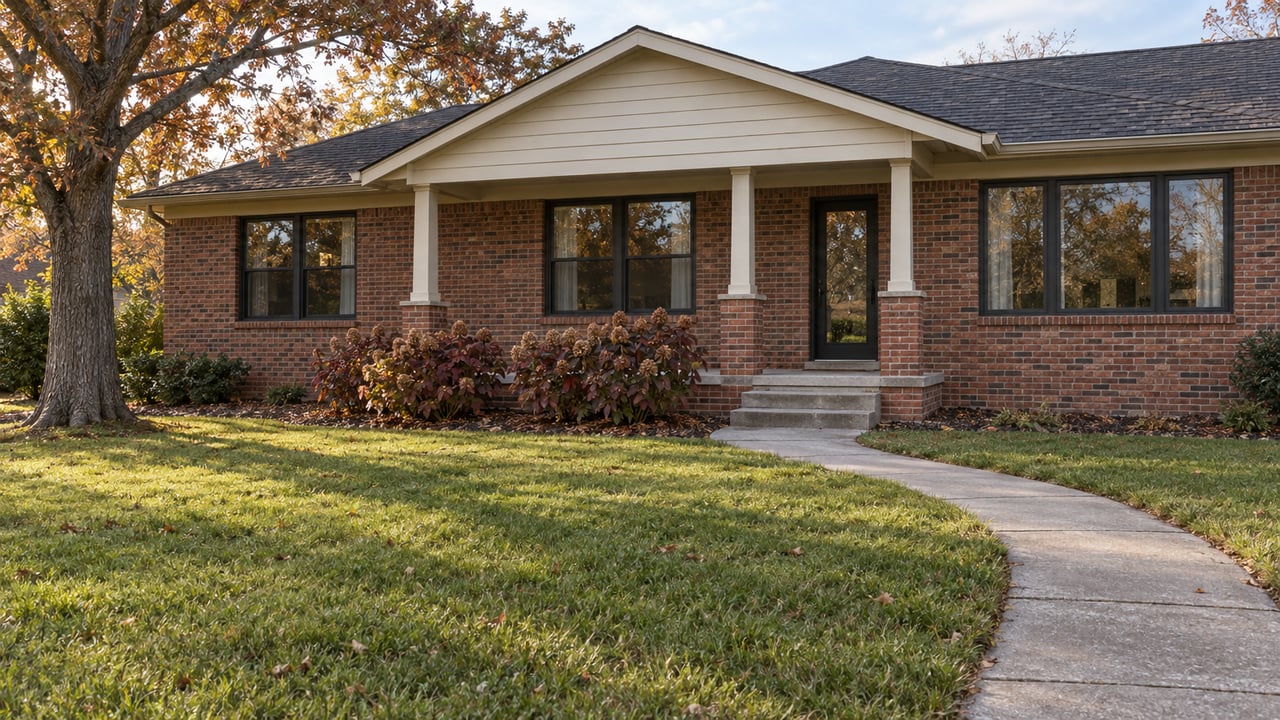
- Purchase price: 150,000 dollars
- Down payment: 25 percent, or 37,500 dollars
- Loan: 112,500 dollars at 6.0 percent, 30-year fixed, monthly principal and interest of about 674 dollars
- Market monthly rent estimate: 1,100 dollars
- Vacancy allowance: 8 percent, 88 dollars per month
- Other income: 0 dollars
Operating expenses (annual and monthly)
- Property taxes: 1,500 dollars per year, 125 dollars per month
- Insurance: 900 dollars per year, 75 dollars per month
- Management: 10 percent of rent, 110 dollars per month
- Utilities paid by owner: 0 dollars (tenant pays)
- Maintenance and repairs: 1,200 dollars per year, 100 dollars per month
- Capital expenditures reserve: 900 dollars per year, 75 dollars per month
- Legal and other: 300 dollars per year, 25 dollars per month
- Total operating expenses monthly: 510 dollars
Calculations (monthly and annual)
- Gross rent: 1,100 dollars
- Vacancy: minus 88 dollars
- Effective gross income: 1,012 dollars
- Operating expenses: minus 510 dollars
- NOI monthly: 502 dollars
- NOI annual: 6,024 dollars
- Annual debt service: 8,088 dollars
- Cash flow before tax: negative 2,064 dollars per year
- Cash-on-cash: negative 5.5 percent
- Cap rate: 4.0 percent
What the numbers tell you
Under these assumptions, the property does not cash flow after debt service. To improve results, you would adjust key inputs: negotiate a lower purchase price, increase the down payment, confirm higher achievable rent, reduce vacancy with better leasing strategy, or refine expense estimates with real quotes. This is why verifying rent comps, tax bills, and insurance matters so much in small markets.
Stress-test your deal before you bid
A smart model asks “what if” before you write the offer. Try these checks.
- Rent sensitivity. What if rent is 5 percent lower than you expect, or 5 percent higher after basic improvements?
- Vacancy swing. Model a stabilized year and a rough year with higher vacancy.
- Rate shock. Test mortgage rates plus or minus 1 to 2 percent.
- CapEx surprise. Add a one-time roof or HVAC replacement and see how your reserve holds up.
Property management in Stewart County
Decide early whether you will self-manage or hire a professional. A capable manager can preserve your time and your returns.
Core services to expect
- Marketing, tenant screening, and lease execution
- Rent collection and monthly owner statements
- 24-7 maintenance coordination with vetted vendors
- Eviction handling and legal coordination
- Inspections and turnover management
- Year-end financial reporting
Typical fee structure
- Monthly management fee. Often 8 to 12 percent of collected rent for single-family homes.
- Leasing fee. One month’s rent or a flat amount, sometimes 250 to 600 dollars, or a percentage of the first month.
- Maintenance markups. Some managers add a small percentage to vendor invoices. Ask for transparency.
- Court costs and legal fees. Usually billed separately at cost plus an admin fee.
Questions to ask a local manager
- How many doors do you manage in Dover and Stewart County?
- What is your average days to lease and screening criteria?
- How do you handle maintenance, emergency calls, and vendor billing?
- What are your contract term and termination rules?
- Can you share a sample monthly statement and year-end report?
Your practical next steps
You can move from research to action in a few focused steps.
- Pull local data
- Census and ACS figures for renter share and median gross rent
- Recent long-term rental listings in Dover and nearby towns
- Stewart County assessor and trustee for current property tax rates and assessments
- Get quotes
- Insurance for a rental dwelling policy
- Two loan quotes or a pre-approval with investor terms
- Talk to local pros
- A property manager for a rent opinion and vacancy estimate
- A contractor for repair and turn cost estimates
- A CPA who understands rental taxation and depreciation
- Build a conservative pro forma
- Use conservative rent net of vacancy, include management, maintenance, and CapEx reserves
- Stress-test rates, vacancy, and one-time repair shocks
- Decide with discipline
- If cash flow is thin, consider a larger down payment, a lower price through negotiation, or a value-add plan backed by comps
Ready to evaluate a Dover rental with clear numbers and local insight? Reach out to The Bell Group for a friendly, no-pressure conversation about your goals, rent comps, and an investor-ready pro forma. Book an appointment at The Bell Group.
FAQs
What vacancy rate should I use for a Dover long-term rental?
- Many small-town investors model 5 to 10 percent vacancy, then verify with local property managers and recent lease activity.
How do I find reliable rent comps in a rural market like Dover?
- Gather 8 to 12 close matches from active and recent listings, ask local managers for recent leases, and favor evidence of signed leases over asking rents.
What cap rate should I target in Stewart County?
- Targets vary by risk, but many small investors look for 6 to 12 percent cap rates in smaller markets. Validate with recent local investor sales and current expenses.
What expenses are most often underestimated by first-time investors?
- Property taxes, insurance for older structures, realistic maintenance and CapEx reserves, and property management fees are commonly underestimated.
Can short-term rentals work near Land Between the Lakes?
- They can in the right location and season, but effective vacancy and operating costs are higher. Verify zoning, occupancy rates, and seasonality before you model the deal.
How should I evaluate financing options for an investment property?
- Compare investor loan terms across two or more lenders, test different down payments and rates, and make sure your DSCR stays at or above lender requirements.