If your home sits too high on the market, buyers may scroll past it before they ever schedule a showing. If it lands at the right number, though, you can create early interest, stronger feedback, and a smoother path to contract. For St. Bethlehem sellers, smart pricing is less about guessing high and more about reading the local market clearly. Let’s dive in.
Why pricing matters in St. Bethlehem
Clarksville’s recent housing data points to a market that is active but balanced, not overheated. In March 2026, Redfin reported a median sale price of $307,500, 260 homes sold, and a median of 98 days on market, while Realtor.com described Clarksville as a balanced market with a 100% sale-to-list ratio and 48 median days on market. Zillow also showed homes going pending in about 45 days.
Those numbers vary because each platform tracks the market a little differently, but the takeaway is consistent. Buyers are still active, yet sellers cannot rely on a rush of competing offers to correct an overly ambitious price. In this kind of market, your first asking price carries real weight.
Use St. Bethlehem comps, not citywide averages
One of the biggest pricing mistakes sellers make is leaning too much on broad Clarksville averages. Citywide numbers can be helpful for context, but they do not capture the pricing differences that show up from one area to another.
That matters in and around St. Bethlehem. Realtor.com reports a median listing price of $333,450 in ZIP code 37040 and $432,450 in 37043, with median days on market at 52 and 50 respectively. Even nearby areas can move in different price bands, which is why your pricing strategy should be built around nearby comparable sales, not just a Clarksville headline number.
What a strong comparable sale looks like
According to Tennessee’s residential appraisal guidance, a comparable sale should be recent and similar in physical and functional features as well as location. The sales comparison approach is generally the most reliable way to estimate residential value because it reflects how buyers and sellers behave in the market.
In plain terms, the best comps usually share several core traits with your home, including:
- Similar square footage
- Similar lot size
- Similar room and bathroom count
- Similar style and layout
- Similar age and condition
- Similar location and neighborhood setting
The closer the match, the more useful the comp. When a home differs from yours, those differences need to be adjusted based on how buyers actually react in the market.
Price for buyer perception
No two homes are exactly alike, which is why pricing is not as simple as using a price per square foot from one recent sale. Fannie Mae guidance notes that adjustments should reflect the market’s reaction to differences between homes, not a generic rule-of-thumb amount.
That means details matter. A larger lot, an extra bathroom, a more functional layout, or a more updated interior may support a stronger price, but only if nearby sold homes show that buyers were willing to pay more for those features.
Updates do not equal dollar-for-dollar return
This is an important mindset shift for sellers. The amount you spent on an improvement is not the same thing as the amount the market will pay you back.
Tennessee appraisal guidance and Montgomery County property data both point to features like bathrooms, flooring, trim, roofing type, condition, and overall property characteristics as factors that affect value. Fannie Mae also distinguishes between homes that are not updated, updated, and remodeled, which matters because buyers often respond differently to each category.
If your home has been thoughtfully updated to meet current expectations, that may place it in a different pricing bracket than a similar home that is simply well maintained. Still, that adjustment should be supported by recent nearby sales, not just by your renovation receipts.
The risk of pricing too high first
In a fast-moving seller’s market, some homes can survive an aggressive opening price. That is not the clearest fit for the current Clarksville market.
Redfin’s March 2026 snapshot showed homes receiving about one offer on average and taking around 98 days to sell. Realtor.com also reported about 2.3K homes for sale, with listing activity up year over year. That gives buyers options, which means they can be selective.
If your home enters the market above a believable comp-supported range, you may see fewer showings early on. That can lead to slower momentum, stale listing perception, and eventual price reductions that weaken your negotiating position.
Why the first two weeks matter
Your listing usually gets the most attention when it first hits the market. That is when buyers who have been waiting for a home like yours are most likely to notice it.
If the price feels aligned with the home’s condition, location, and nearby sales, you are more likely to generate showing activity quickly. In a balanced market, that early response can shape your entire selling experience.
Don’t use tax assessment as your list price
Tax records can be useful background information, but they are not a pricing strategy. Montgomery County makes a clear distinction between appraisal as an estimate of market value and assessment as the value used for taxes.
Tennessee also uses fractional assessment, and Montgomery County follows a five-year reappraisal cycle, with the most recent county-wide reappraisal in 2024. Because of that, a tax assessment should not be treated as a substitute for a current sales comparison analysis.
Price with the appraisal in mind
Even when a buyer agrees to your price, the deal still has to hold together through financing. If the home is being purchased with a loan, the lender’s appraisal can become a key checkpoint.
If an appraisal comes in below the contract price, buyers may need to renegotiate or take a closer look at the valuation. For sellers, that is another reason to stay within a defensible range backed by recent comparable sales. A smart price does not just attract attention. It also helps support the transaction through closing.
A practical pricing strategy for St. Bethlehem sellers
A strong pricing plan should balance market data, property condition, and neighborhood-specific demand. In St. Bethlehem, that usually means avoiding both extremes: pricing so low that you leave value on the table or pricing so high that buyers never engage.
A practical approach often looks like this:
- Review recent sold comps near your home.
- Compare active competition in your immediate area.
- Evaluate your home’s condition, updates, layout, and lot.
- Adjust for meaningful differences based on likely buyer response.
- Choose a list price that feels competitive and credible on day one.
This type of pricing is not about undercutting your home’s value. It is about positioning your property where today’s buyers will take it seriously.
How presentation supports price
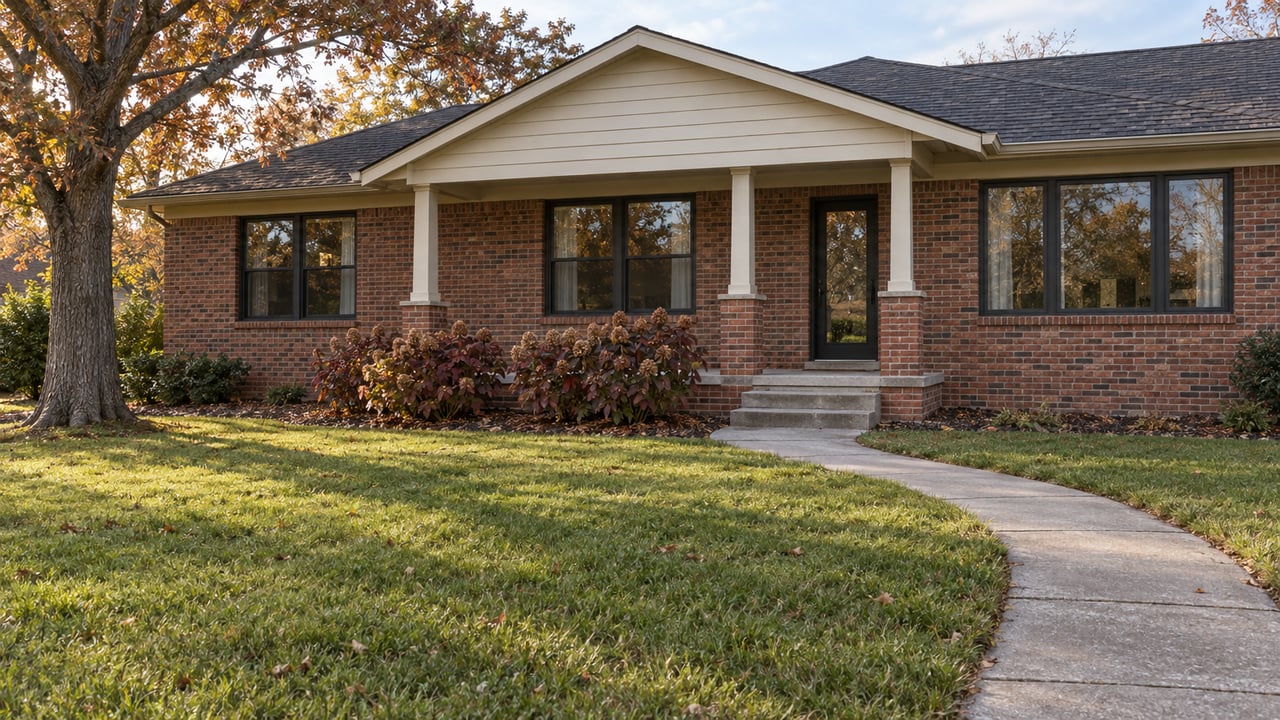
Pricing and presentation work together. Even a well-priced home can struggle if buyers do not see the value when they walk in or view the listing online.
For sellers who want to improve their market position, thoughtful prep can help reinforce the asking price. Clean presentation, strategic staging, and targeted updates can make your home feel more aligned with the price bracket you are aiming for.
That is especially helpful in a balanced market, where buyers often compare several homes before making a decision. When your home looks move-in ready and the price feels justified, buyers have fewer reasons to hesitate.
What smart sellers focus on most
The most effective sellers tend to focus on evidence, not emotion. They understand that the market does not price memories, effort, or future hopes. It prices the home buyers see today compared with the alternatives they can choose right now.
In St. Bethlehem, smart pricing starts with local comps, respects the realities of a balanced market, and stays grounded in condition and buyer expectations. That approach gives you the best chance to attract serious interest and protect your value from listing day through appraisal.
If you want a pricing strategy built around local data, thoughtful presentation, and a smooth selling experience, The Bell Group is here to help.
FAQs
How should St. Bethlehem sellers choose a listing price?
- The strongest approach is to use recent nearby comparable sales, adjust for your home’s condition and features, and price within a believable local market range.
Why can’t St. Bethlehem sellers rely on Clarksville-wide averages?
- Clarksville-wide numbers can hide important micro-market differences, and nearby ZIP codes show meaningful price variation, so local comps usually give a more accurate pricing picture.
Do home upgrades always raise a St. Bethlehem home’s value?
- Not always. Updates can help support a higher price, but the adjustment should reflect how buyers respond in nearby sold comps, not just what the improvements cost.
Should St. Bethlehem sellers use tax assessment to price a home?
- No. Montgomery County distinguishes tax assessment from market value, so tax records are useful context but not a substitute for a current comp-based pricing analysis.
What happens if a St. Bethlehem home appraises below contract price?
- A low appraisal can lead to renegotiation or closer review of value, which is why pricing within a defensible comp-supported range is so important from the start.